
"Rwanda agriculture"
400 article(s) found

The characteristics of the story of the origin of coffee bean industry in Rwanda
For the exchange of professional baristas, please follow the coffee workshop (Wechat official account cafe_style) Today, when we mention Rwanda, more people immediately think of the 1994 Hutu genocide against the Tutsis in Rwanda (The Rwandan Genocide). In fact, the modern history of Rwanda and the development of coffee industry are inseparable.

Introduction to the characteristics of fine taste treatment of Rwanda coffee bean grinding scale variety manor
The coffee fruit needs to be transported to the processing plant as soon as possible after picking, but due to the lack of domestic facilities, it is unable to deal with the fruit at the first time. The fruits are piled up after being picked, which will continue to develop and accelerate mildew and decay due to lack of ventilation. Rotten fruits will affect the quality of coffee and show defective flavor. In recent years, the production and processing of coffee in Rwanda are

The source of washed coffee from Rwanda
Rwandans have been growing coffee since colonial times, but until 1999, its products were still classified as below Class C and were not popular in the global market. The reason for the poor quality is that farmers do not have a fixed procedure for washing coffee beans and do not process coffee fruits according to specifications in time. Buyers buy coffee beans at $0.33 per kilogram, and farmers keep warm by the meagre profits earned at low prices.

The origin of coffee beans in Rwanda Coffee bean powder is too weak.
The Rwandans of origin have been growing coffee since colonial times, but until 1999, its products were still classified as below Class C and were not popular in the global market. The reason for the poor quality is that farmers do not have a fixed procedure for washing coffee beans and do not process coffee fruits according to specifications in time. Buyers buy coffee beans at $0.33 per kilogram, and farmers rely on the meagre profits earned at low prices.

How about coffee from Rwanda, the host country of Africa's first coffee cup competition?
For more information on coffee beans, please follow the Coffee Workshop (Wechat official account cafe_style) Rwanda is a landlocked country located in the southern equator of central Africa, bordered by Tanzania to the east, Burundi to the south, the Democratic Republic of the Congo to the west and Uganda to the north. The territory is mountainous, known as the country of a thousand hills. The divide between the Congo River and the Nile River runs through Lu from north to south.

Rwanda coffee bean flavor taste aroma description what are the characteristics of Rwanda coffee beans?
Professional coffee knowledge exchange more coffee bean information please follow the coffee workshop (Wechat official account cafe_style) Rwanda (Rwanda) coffee varieties, more than 95% are Arabica Bourbon, a small number are Catuai and Kaddura (Caturra). The planting height is between 1200 and 1800 meters above sea level. The flowering period is from September to October every year

Fruit-scented Rwandan coffee beans taste the characteristics of the manor producing area introduction to Rwanda boutique coffee beans
Rwanda has been growing coffee since colonial times. Although the crops are mainly coffee, the quality of coffee produced in Rwanda is not outstanding, and its status in the coffee world is low, and few people pay attention to it. Most of the coffee varieties grown in Rwanda are bourbon. Rwanda, known as the country of Thousand Hills, has a high-altitude mountain environment, fertile volcanic soil and abundant precipitation.

Rwanda Coffee Red Bourbon Brazil Red Bourbon or Yellow Bourbon
Professional barista exchanges, please pay attention to coffee workshop (Weixin Official Accounts cafe_style) Luanda is located in the heart of inland Africa. Its mountainous terrain, fertile land and ancient traditional bourbon species indicate that the natural environment required to grow high-quality coffee beans can be found everywhere in Luanda. Coffee was introduced into Luanda by German missionaries in 1904 and started in 1930 because coffee is rural.
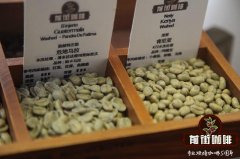
The reason why Rwandan coffee can be selected by Starbucks. The significance of coffee to Rwanda
Professional coffee knowledge exchange more coffee bean information please follow the coffee workshop (Wechat official account cafe_style) what kind of coffee beans can become Starbucks coffee beans? It may be due to special geographical conditions, or it may be due to the cooperation of coffee farmers. Rwandan coffee is the representative of the latter, and local women choose carefully from the first step of planting.

An introduction to the characteristics of the manor producing area with a rich taste of Rwanda boutique coffee
Rwandans have been growing coffee since colonial times, but until 1999, its products were still classified as below Class C and were not popular in the global market. The reason for the poor quality is that farmers do not have a fixed procedure for washing coffee beans and do not process coffee fruits according to specifications in time. Buyers buy coffee beans at $0.33 per kilogram, and farmers keep warm by the meagre profits earned at low prices.

Introduction to the flavor and taste characteristics of Malaba coffee in southern Rwanda
Rwandans have been growing coffee since colonial times, but until 1999, its products were still classified as below Class C and were not popular in the global market. The reason for the poor quality is that farmers do not have a fixed procedure for washing coffee beans and do not process coffee fruits according to specifications in time. Buyers buy coffee beans at $0.33 per kilogram, and farmers keep warm by the meagre profits earned at low prices.

How about Rwandan coffee? are Rwandan coffee beans as sour and sweet as cherries?
Professional coffee knowledge exchange more coffee bean information please follow the coffee workshop (Wechat official account cafe_style) front street-Rwanda Coffee introduction the Republic of Rwanda is located in East Central Africa near the equator, is a small mountainous country in Central Africa. It is bordered by Uganda in the north, Tanzania in the east, Burundi in the south and Congo in the west. Before 1962.
History of coffee in Rwanda
In 1999, 220 coffee growers formed guilds in the Malaba area (formerly part of Butare province) to address the disease. Among the guild members, many farmers were separated from their loved ones by the 1994 mass massacre, while some husbands were jailed or were taken to the traditional Gacaca Court (gacaca) to face trial on charges of participating in the massacre. They named the guild Abauza.

Introduction to the flavor and taste of Rwanda boutique coffee Malaba coffee
After the washed coffee beans are air-dried on the net rack, after washing the coffee beans many times to completely remove the remaining skin and sugary outer layer, the coffee beans are put into the sheltered rack to air-dry. Cooperative staff regularly flip coffee beans, while technicians continue to look for and pick out poor quality coffee beans. The two-week drying process takes place in the sun (preparing mulch in case of rain), but not

What are the famous coffee beans in Africa? How do you drink African coffee? What's a good brand of African coffee?
Professional coffee knowledge exchange more coffee bean information please follow the coffee workshop (Wechat official account cafe_style) African coffee is mainly distributed in the East African plateau strip, north of Yemen, Ethiopia, then branches into the seaside Kenya, Tanzania, as well as the heart of Africa three small countries Uganda, Rwanda, Burundi, and finally to the southernmost Malawi, forming thousands
Boutique coffee Rwanda coffee origin Rwanda coffee practice
Rwandans have been growing coffee since colonial times, but until 1999, its products were still classified as below Class C and were not popular in the global market. The reason for the poor quality is that farmers do not have a fixed procedure for washing coffee beans and do not process coffee fruits according to specifications in time. Buyers buy coffee beans at $0.33 per kilogram, and farmers keep warm by the meagre profits earned at low prices.

Fine coffee Rwanda coffee manor Rwanda coffee producing area
Rwandans have been growing coffee since colonial times, but until 1999, its products were still classified as below Class C and were not popular in the global market. The reason for the poor quality is that farmers do not have a fixed procedure for washing coffee beans and do not process coffee fruits according to specifications in time. Buyers buy coffee beans at $0.33 per kilogram, and farmers keep warm by the meagre profits earned at low prices.

High-quality coffee beans from global coffee producing area Rwanda
Rwanda Coffee Global Coffee producer-since the 1920s in Rwanda, Arabica coffee grown in Rwanda (Rwanda) has been famous for its unique fruit sweetness and strong grass aroma. In recent years, the Rwandan government has taken positive measures to vigorously promote coffee production, set up coffee production cooperatives in various places, and give technical guidance and financial support to farmers.
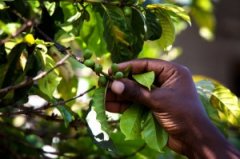
Coffee producing area African Rwanda boutique coffee beans
Global coffee producing area-since the 1920s, Rwanda Arabica coffee grown in Rwanda has been famous for its unique fruit sweetness and rich grass aroma. In recent years, the government of Rwanda has taken positive measures to vigorously promote coffee production, set up coffee production cooperatives in various places, and give technical guidance and financial support to farmers, so that coffee production can be achieved.

Introduction to the characteristics of boutique coffee in the manor area
Before January 1, 2006, the country was divided into 12